Baby Diaper Material: A Comprehensive Guide

# Baby Diaper Material: A Comprehensive Guide

## Introduction to Baby Diaper Materials

When it comes to choosing the right diaper for your baby, understanding the materials used in their construction is crucial. Modern diapers are complex products designed to keep babies dry, comfortable, and protected from rashes. This guide will explore the various materials that make up today’s baby diapers and their specific functions.

## The Outer Layer: Waterproof Protection

Polyethylene (PE) Backsheet

The outermost layer of most disposable diapers is typically made from polyethylene, a lightweight plastic material that prevents leaks while allowing the diaper to remain breathable. This layer is what keeps moisture from escaping onto clothing or bedding.

Cloth-like Covers

Some premium diapers feature a softer, cloth-like outer cover made from polypropylene nonwoven fabric. These materials provide better breathability while still maintaining waterproof qualities.

## The Absorbent Core: The Heart of the Diaper

Superabsorbent Polymers (SAP)

The most important component of modern diapers is the superabsorbent polymer (SAP), usually sodium polyacrylate. These tiny crystals can absorb many times their weight in liquid, locking away moisture and keeping baby’s skin dry.

Fluff Pulp

Mixed with SAP is fluff pulp, typically made from wood cellulose. This material helps distribute liquid evenly throughout the diaper and provides additional absorption capacity.

## The Inner Layer: Softness Against Baby’s Skin

Nonwoven Topsheet

The layer that touches baby’s skin is usually made from polypropylene nonwoven fabric. This material is designed to feel soft while allowing liquid to pass through quickly to the absorbent core below.

Lotion or Aloe Additives

Many premium diapers include skin-friendly additives like aloe vera or vitamin E in the topsheet to help protect delicate baby skin from irritation.

## Additional Features and Materials

Elastic Components

Stretchable materials like Lycra or other elastic fibers are used in the leg cuffs and waistbands to provide a snug, comfortable fit that moves with the baby.

Adhesive Tapes

The fastening system typically uses pressure-sensitive adhesives that can be refastened multiple times without losing their stickiness.

Wetness Indicators

Some diapers include special materials that change color when wet, helping caregivers know when it’s time for a change.

## Eco-Friendly Diaper Materials

Biodegradable Options

Environmentally conscious parents can find diapers made with plant-based materials, biodegradable plastics, and organic cotton for the topsheet.

Bamboo Fiber

Some eco-diapers use bamboo fiber in the absorbent core or topsheet, as it’s naturally antibacterial and highly sustainable.

## Choosing the Right Materials for Your Baby

When selecting diapers, consider your baby’s skin sensitivity, activity level, and your environmental concerns. Materials can vary significantly between brands and price points, so it’s worth experimenting to find what works best for your child.

Remember that no single material is perfect for every baby – what works for one might cause irritation for another. Pay attention to how your baby’s skin reacts to different diaper materials and adjust your choices accordingly.
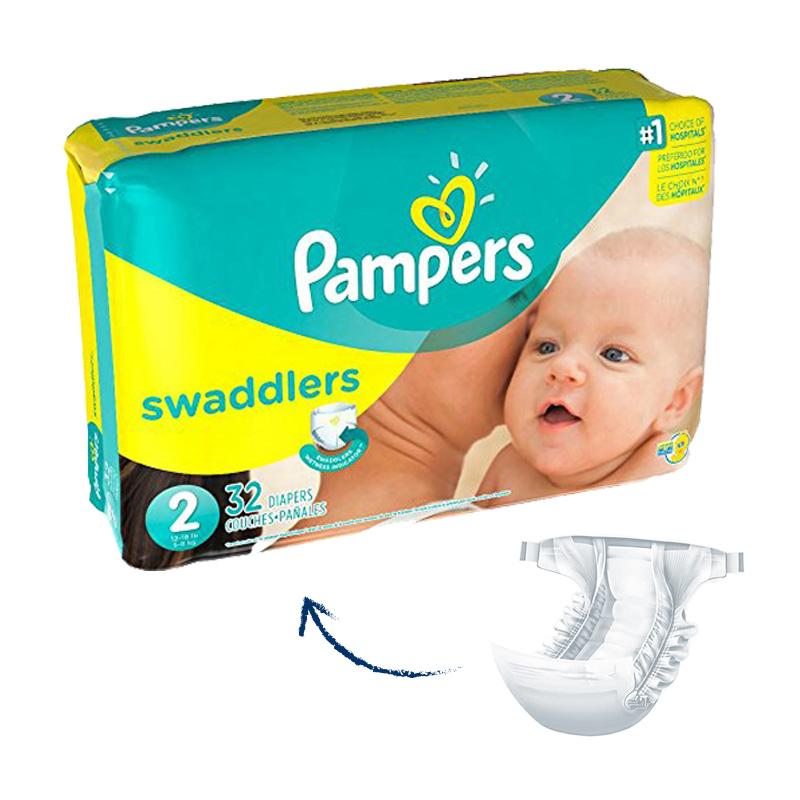
Baby Diaper Material: Key Components and Safety Considerations

# Baby Diaper Material: Key Components and Safety Considerations

## Introduction to Baby Diaper Materials

Modern baby diapers are marvels of engineering, combining multiple materials to provide comfort, absorbency, and protection for infants. Understanding these materials helps parents make informed choices about their baby’s hygiene products. The composition of diapers has evolved significantly over the years, with manufacturers constantly improving materials for better performance and safety.

## The Main Components of Baby Diapers

### 1. Outer Layer (Backsheet)

The outer layer, typically made from polyethylene or polypropylene, serves as a waterproof barrier to prevent leaks. This breathable yet impermeable material keeps moisture inside while allowing some air circulation to reduce skin irritation.

### 2. Top Sheet (Inner Layer)

The soft inner layer that touches baby’s skin is usually composed of polypropylene non-woven fabric. This material is designed to feel gentle against delicate skin while quickly pulling moisture away into the absorbent core.

### 3. Absorbent Core

The heart of the diaper consists of:
– Superabsorbent polymers (SAP)
– Fluff pulp (cellulose fibers)
This combination can absorb many times its weight in liquid, locking away moisture to keep baby dry.

### 4. Elastic Components

Elastic materials around the legs and waist provide a snug, comfortable fit while preventing leaks. These are typically made from synthetic rubber or other stretchable materials.

### 5. Fastening System

Most modern diapers use hook-and-loop fasteners (similar to Velcro) or adhesive tapes made from various plastics and adhesives.

## Safety Considerations in Diaper Materials

### Skin Sensitivity and Allergies

Some babies may react to certain materials or chemicals used in diapers. Parents should watch for signs of irritation and consider hypoallergenic options if necessary.

### Chemical Additives

Concerns have been raised about:
– Dyes and fragrances
– Trace amounts of chemicals like dioxins from bleaching processes
Many brands now offer chlorine-free and fragrance-free options.

### Breathability

Proper air circulation helps prevent diaper rash. Look for diapers with breathable outer layers that allow heat and moisture to escape.

### Environmental Impact

Considerations include:
– Biodegradability of materials
– Use of sustainable resources
– Disposal methods
Some eco-friendly brands use plant-based materials instead of petroleum-derived plastics.

## Choosing the Right Diaper Material

When selecting diapers, consider:
1. Your baby’s skin sensitivity
2. Absorbency needs (overnight vs. daytime use)
3. Environmental preferences
4. Budget constraints

Many parents find trial and error is necessary to discover which diaper materials work best for their child’s unique needs.

## Future Trends in Diaper Materials

Manufacturers are experimenting with:
– Bamboo-based fabrics
– Completely biodegradable materials
– Even more absorbent and thinner designs
– Smart diapers with moisture sensors

As technology advances, we can expect continued improvements in both performance and sustainability of diaper materials.

Baby Diaper Material: Key Components and Safety Considerations

# Baby Diaper Material: Key Components and Safety Considerations

## Introduction to Baby Diaper Materials

Modern baby diapers are marvels of engineering, combining multiple materials to provide comfort, absorbency, and protection for infants. Understanding these materials helps parents make informed choices about the products they use on their babies’ delicate skin.

## The Main Components of Baby Diapers

### 1. Outer Layer (Backsheet)

The outer layer is typically made from a breathable polyethylene film or a nonwoven fabric. This layer:

– Prevents leaks
– Allows some air circulation
– Keeps moisture away from clothing

### 2. Absorbent Core

The heart of the diaper consists of:

– Superabsorbent polymers (SAP) – These can absorb many times their weight in liquid
– Fluff pulp – Helps distribute liquid evenly throughout the diaper

### 3. Top Sheet (Inner Layer)

This is the layer that touches baby’s skin, usually made from:

– Soft nonwoven polypropylene
– Sometimes with a lotion or aloe coating for extra skin protection

### 4. Elastic Components

Stretchy materials around the legs and waist provide:

– Secure fit
– Leak protection
– Comfortable movement

## Safety Considerations in Diaper Materials

When choosing diapers, parents should consider several safety factors:

### Chemical Safety

– Look for diapers free from chlorine bleaching (chlorine-free or ECF/TCF)
– Avoid diapers with added fragrances if your baby has sensitive skin
– Check for phthalate-free materials

### Physical Safety

– Ensure proper fit to prevent chafing
– Watch for signs of irritation or allergic reactions
– Change diapers frequently to prevent diaper rash

### Environmental Considerations

Many parents now consider:

– Biodegradable options
– Diapers with plant-based materials
– Minimal packaging waste

## Emerging Trends in Diaper Materials

The diaper industry continues to innovate with:

– Bamboo-based materials for better sustainability
– Smart diapers with wetness indicators
– Ultra-thin designs that maintain high absorbency

## Conclusion

Understanding baby diaper materials empowers parents to make the best choices for their infants’ comfort and health. By considering both the components and safety aspects, caregivers can select products that meet their baby’s needs while aligning with their personal values regarding health and environmental impact.

Baby Diaper Material: What You Need to Know

# Baby Diaper Material: What You Need to Know

## Introduction to Baby Diaper Materials

When it comes to choosing the right diaper for your baby, understanding the materials used in their construction is crucial. Modern diapers are complex products designed to keep babies dry, comfortable, and protected from irritation. The materials used can significantly impact your baby’s comfort and skin health.

## The Main Components of Baby Diapers

### 1. Outer Layer (Backsheet)

The outer layer of a diaper is typically made from a breathable polyethylene film or a nonwoven fabric. This layer:

– Prevents leaks
– Allows some air circulation
– Keeps moisture away from clothing

### 2. Absorbent Core

The absorbent core is the heart of the diaper and usually contains:

– Superabsorbent polymers (SAP) – These can absorb many times their weight in liquid
– Fluff pulp – Helps distribute liquid evenly

### 3. Top Sheet (Inner Layer)

This is the layer that touches your baby’s skin and is usually made from:

– Soft nonwoven materials
– Polypropylene or polyester fibers
– Sometimes treated with lotions or aloe for extra skin protection

## Special Features in Modern Diapers

Many premium diapers now include additional features:

– Wetness indicators that change color
– Elastic leg cuffs for better fit
– Breathable side panels
– Natural materials for eco-conscious parents

## Choosing the Right Material for Your Baby

Consider these factors when selecting diapers:

– Skin sensitivity – Some babies react to certain materials
– Absorbency needs – Heavier wetting may require more SAP
– Environmental concerns – Biodegradable options are available
– Fit and comfort – Materials affect how the diaper moves with your baby

## Eco-Friendly Diaper Options

For parents concerned about environmental impact:

– Bamboo-based diapers
– Chlorine-free processed materials
– Diapers with plant-based plastics
– Compostable diaper options

## Conclusion

Understanding baby diaper materials helps you make informed choices for your little one’s comfort and health. Whether you prioritize absorbency, skin-friendliness, or environmental considerations, knowing what goes into diaper construction empowers you to select the best option for your baby’s needs.

Diaper Materials: Composition and Safety Considerations

# Diaper Materials: Composition and Safety Considerations

## Introduction to Diaper Materials

Modern diapers are marvels of engineering, designed to keep babies dry and comfortable while preventing leaks. The materials used in their construction have evolved significantly over the decades, becoming more absorbent, comfortable, and environmentally conscious. Understanding what goes into diaper production can help parents make informed choices about the products they use for their children.

## Core Components of Modern Diapers

### Outer Layer (Backsheet)

The outermost layer of a diaper is typically made from a breathable polyethylene film or a nonwoven fabric. This layer serves as a waterproof barrier to prevent leaks while allowing some air circulation to reduce skin irritation. Many premium brands now use plant-based materials for this layer to improve sustainability.

### Absorbent Core

The heart of any diaper is its absorbent core, which usually contains:

– Superabsorbent polymers (SAP) – These sodium polyacrylate crystals can absorb many times their weight in liquid
– Fluff pulp – A wood-based material that helps distribute liquid evenly
– Some eco-friendly brands use bamboo fiber or other natural absorbents as alternatives

### Inner Liner (Top Sheet)

The layer that touches baby’s skin is usually a soft, nonwoven material designed to wick moisture away quickly. Common materials include polypropylene or polyester, with some brands incorporating aloe vera or other soothing additives.

## Safety Considerations in Diaper Materials

### Chemical Additives

Parents should be aware of potential additives in diapers:

– Fragrances – Can cause skin irritation in sensitive babies
– Dyes – Some coloring agents may trigger allergic reactions
– Chlorine – Used in bleaching processes for some diaper materials

### Breathability and Heat Retention

Proper air circulation is crucial to prevent diaper rash. Look for diapers with microporous films or breathable side panels that allow heat and moisture to escape while containing solids and liquids.

### Hypoallergenic Options

For babies with sensitive skin, many brands offer fragrance-free, dye-free options made with gentler materials. These often carry certifications from dermatological associations.

Keyword: diaper materials

## Environmental Impact of Diaper Materials

### Biodegradability Challenges

Traditional disposable diapers can take centuries to decompose due to their plastic content. However, newer eco-friendly options incorporate:

– Plant-based plastics (like PLA from corn)
– Bamboo fibers
– Chlorine-free wood pulp
– Reduced or eliminated SAP content

### Washable Cloth Alternatives

Modern cloth diapers have evolved significantly from the basic cotton squares of the past. Today’s versions often feature:

– Organic cotton or hemp outer layers
– Microfiber or bamboo inserts
– Waterproof covers made from TPU or PUL materials
– Adjustable sizing systems for better fit

## Choosing the Right Diaper Materials

When selecting diapers, consider:

1. Your baby’s skin sensitivity
2. Absorption needs (overnight vs. daytime use)
3. Environmental priorities
4. Budget constraints
5. Ease of use and changing frequency

Many parents find that a combination of different diaper types works best for their situation, using eco-friendly disposables for travel and overnight, with cloth options during the day at home.

## Future Trends in Diaper Materials

Manufacturers continue to innovate with:

– Smart diapers with wetness indicators
– Fully compostable materials
– Antibacterial treatments to reduce odor
– Improved stretch materials for better fit
– Sustainable sourcing of all components

As material science advances, we can expect even safer, more effective, and environmentally responsible diaper options to become available.

Diaper Materials: Composition and Safety Considerations

# Diaper Materials: Composition and Safety Considerations

## Introduction to Diaper Materials

Keyword: diaper materials

Modern diapers are marvels of engineering, designed to keep babies dry and comfortable while minimizing skin irritation. Understanding the materials used in diaper construction can help parents make informed choices about the products they use for their little ones.

## Core Components of Disposable Diapers

### Outer Layer

The outer layer of a diaper is typically made from a breathable polyethylene film that prevents leaks while allowing some air circulation. This layer often features stretchable sides for better fit and comfort.

### Absorbent Core

The absorbent core contains a combination of materials:
– Fluff pulp (wood cellulose)
– Superabsorbent polymers (SAPs)
– Sometimes natural fibers like cotton or bamboo

### Inner Liner

The part that touches baby’s skin is usually a nonwoven polypropylene material designed to feel soft while quickly pulling moisture away from the skin.

## Safety Considerations in Diaper Materials

### Chemical Additives

Some diapers may contain:
– Fragrances
– Dyes
– Lotions
– Chlorine compounds (in some bleaching processes)

Parents with sensitive babies may want to choose fragrance-free and dye-free options.

### Superabsorbent Polymers

While SAPs are generally considered safe, some parents prefer diapers with lower SAP content or natural alternatives due to concerns about potential skin irritation.

### Breathability Factors

Proper air circulation is crucial for preventing diaper rash. Look for diapers with breathable outer layers and moisture-wicking inner liners.

## Eco-Friendly Diaper Options

For environmentally conscious parents, several alternatives exist:
– Biodegradable diapers with plant-based materials
– Cloth diapers made from organic cotton or bamboo
– Hybrid systems with reusable covers and biodegradable inserts

## Choosing the Right Diaper Materials

When selecting diapers, consider:
1. Your baby’s skin sensitivity
2. Environmental impact concerns
3. Absorbency needs
4. Fit and comfort
5. Budget considerations

Many parents find that trying several brands helps them determine which materials work best for their child’s unique needs.

Baby Diaper Bag Essentials for On-the-Go Parents

Baby Diaper Bag Essentials for On-the-Go Parents

# Baby Diaper Bag Essentials for On-the-Go Parents

Keyword: baby diaper bag

## The Ultimate Diaper Bag Checklist

Packing a well-stocked diaper bag is essential for any parent who wants to be prepared for outings with their little one. Whether you’re running errands or going on a day trip, having the right items can make all the difference in keeping your baby comfortable and happy.

### Diapering Essentials

No diaper bag would be complete without these fundamental items:

– Diapers (pack at least 5-6 for a day out)
– Wipes (travel-sized pack or refillable case)
– Diaper rash cream
– Changing pad (many bags come with one)
– Disposable diaper bags for soiled diapers

### Feeding Supplies

Depending on your baby’s age and feeding method, you’ll want to include:

– Bottles and formula (if not breastfeeding)
– Breastfeeding cover (if applicable)
– Burp cloths
– Bibs
– Snacks for older babies
– Sippy cup with water

### Clothing and Comfort Items

Accidents happen, so it’s wise to pack:

– 2-3 complete outfit changes
– Light jacket or sweater
– Socks or booties
– Swaddle blanket or lovey
– Pacifiers (if your baby uses them)

### Health and Safety Must-Haves

Don’t forget these important items:

– Infant pain reliever/fever reducer
– Nasal aspirator
– Baby-safe hand sanitizer
– Sunscreen (for babies over 6 months)
– Baby hat for sun protection
– First aid kit with bandages

### Organizational Tips

To keep your diaper bag functional:

– Use small pouches to categorize items
– Keep frequently used items in easy-to-reach pockets
– Pack a separate wet bag for soiled clothes
– Include a small toy or book for entertainment
– Don’t forget your own essentials (wallet, keys, phone)

Remember to restock your diaper bag after each use and adjust the contents as your baby grows and their needs change. With these essentials packed and ready, you’ll be prepared for any adventure with your little one!

Baby Diaper Bag Essentials for On-the-Go Parents

Baby Diaper Bag Essentials for On-the-Go Parents

# Baby Diaper Bag Essentials for On-the-Go Parents

## The Ultimate Guide to Packing Your Baby Diaper Bag

As a parent, your diaper bag becomes your lifeline when you’re out and about with your little one. A well-stocked baby diaper bag can mean the difference between a smooth outing and a stressful emergency situation. Whether you’re running errands, visiting friends, or going on a family adventure, having the right essentials packed will keep you prepared for any situation.

### Choosing the Right Diaper Bag

Before we dive into what to pack, let’s talk about selecting the perfect diaper bag for your needs:

– Size: Consider how much you typically need to carry and how long you’re usually away from home
– Comfort: Look for padded straps if you’ll be carrying it for extended periods
– Organization: Multiple compartments help keep items easily accessible
– Durability: Choose water-resistant materials that can withstand daily use
– Style: Many parents prefer bags that don’t scream “diaper bag” for versatility

## Must-Have Diaper Bag Essentials

### Diapering Supplies

The core purpose of your bag is right in the name – diapers! Here’s what you’ll need:

– Diapers (pack at least one for every two hours you’ll be out)
– Wipes (travel-sized packs are convenient)
– Changing pad (many bags come with one)
– Diaper rash cream
– Small plastic bags for soiled diapers or clothes

### Feeding Essentials

Whether you’re breastfeeding or bottle-feeding, you’ll need to pack accordingly:

– Bottles (if using formula or expressed milk)
– Formula (pre-measured in containers if needed)
– Burp cloths
– Bibs
– Snacks (for older babies)
– Nursing cover (if desired)

### Clothing and Comfort Items

Accidents happen, so be prepared with these clothing essentials:

– 2-3 complete outfit changes
– Extra socks or booties
– Light blanket or swaddle
– Pacifier (if your baby uses one)
– Small comfort toy or lovey

### Health and Safety Items

Don’t forget these important health-related items:

– Infant pain reliever (check with your pediatrician first)
– Nasal aspirator
– Baby-safe hand sanitizer
– Sunscreen (for babies over 6 months)
– Baby hat for sun protection
– Emergency contact information

## Organization Tips for Your Diaper Bag

Keeping your diaper bag organized will save you time and stress when you need items quickly:

– Use small pouches or zippered bags to group similar items together
– Keep frequently used items in easily accessible pockets
– Regularly check and restock used items
– Consider packing a small first-aid kit
– Include a portable changing pad if your bag doesn’t have one built-in

## Seasonal Adjustments to Your Diaper Bag

Your diaper bag contents may need to change with the seasons:

### Summer Additions

– Extra sunscreen
– Sun hat
– Cooling towel
– Insect repellent (baby-safe)

Keyword: baby diaper bag

– Lightweight muslin blankets

### Winter Additions

– Warm hat and mittens
– Extra layers
– Lip balm
– Hand warmers (for very cold climates)
– Blanket for car seat

## Final Thoughts on Diaper Bag Essentials

Remember that every family’s needs are different, and you’ll likely adjust your diaper bag contents as your baby grows and your routine changes. The key is to find a balance between being prepared and not overpacking. Start with these essentials and modify based on your personal experiences. With a well-stocked diaper bag, you’ll be ready to handle whatever parenting on-the-go throws your way!

Baby Diaper Bag Essentials for On-the-Go Parents

Baby Diaper Bag Essentials for On-the-Go Parents

# Baby Diaper Bag Essentials for On-the-Go Parents

## The Ultimate Diaper Bag Checklist

Every parent knows that leaving the house with a baby requires careful planning. A well-stocked diaper bag can mean the difference between a smooth outing and a stressful disaster. Whether you’re running errands or going on a family adventure, these essentials will help you handle any situation that arises.

### Diapering Supplies

No diaper bag would be complete without the basics for changing your little one:

– Diapers (pack at least 5-6 for a full day out)
– Baby wipes in a travel case
– Changing pad (most diaper bags come with one)

Keyword: baby diaper bag

– Diaper rash cream
– Disposable diaper bags for soiled diapers
– Hand sanitizer

### Feeding Essentials

Depending on your baby’s age and feeding method, you’ll need:

– Bottles with caps (if bottle-feeding)
– Formula in pre-measured containers or ready-to-feed bottles
– Burp cloths
– Bibs
– Snacks for older babies (puffs, teething crackers)
– Sippy cup for water

### Clothing and Comfort Items

Accidents happen, so always be prepared with:

– 2-3 complete outfit changes
– Extra socks or booties
– Light blanket or swaddle
– Pacifiers (if your baby uses them)
– Small comfort toy or lovey
– Sun hat or warm hat depending on season

### Health and Safety Items

Don’t forget these important items:

– Infant pain reliever (check with pediatrician first)
– Saline drops and nasal aspirator
– Baby-safe sunscreen
– Insect repellent (for outdoor outings)
– Digital thermometer
– First aid kit with bandages

### Organization Tips

To keep your diaper bag functional:

– Use small pouches to organize items by category
– Keep frequently used items in easy-to-reach pockets
– Pack heavier items at the bottom
– Include a wet/dry bag for soiled clothes
– Consider a portable changing station for car trips

Remember to check your diaper bag before each outing and restock as needed. As your baby grows, you’ll adjust the contents to match their changing needs. With these essentials packed and ready, you’ll be prepared for whatever parenting adventures come your way!

4-Person Meeting Pod for Collaborative Workspaces

# 4-Person Meeting Pod for Collaborative Workspaces

## The Rise of Collaborative Workspaces

In today’s fast-paced business environment, collaborative workspaces have become increasingly popular. These dynamic environments foster creativity, teamwork, and productivity. However, with open-plan offices becoming the norm, finding private spaces for small group discussions can be challenging. This is where the 4-person meeting pod comes into play.

## What is a 4-Person Meeting Pod?

A 4-person meeting pod is a compact, self-contained workspace solution designed specifically for small group collaborations. These pods typically feature:

– Soundproof walls for privacy
– Comfortable seating for four individuals
– Integrated technology for presentations
– Ventilation systems for air circulation
– Modern, space-efficient designs

## Benefits of Using Meeting Pods in Your Workspace

Implementing 4-person meeting pods in your office can transform your collaborative environment:

### Enhanced Privacy Without Isolation

Unlike traditional conference rooms that completely separate teams from the main workspace, meeting pods offer a balance between privacy and connection. Team members can have focused discussions without feeling cut off from the office energy.

### Improved Space Utilization

Most meeting pods are designed with space efficiency in mind. Their compact footprint allows for multiple pods to be installed in areas that might otherwise accommodate just one traditional meeting room.

### Boosted Productivity

By providing dedicated spaces for quick huddles and brainstorming sessions, these pods reduce time wasted searching for available meeting spaces. Teams can spontaneously gather and collaborate without disrupting others.

## Key Features to Look for in a Quality Meeting Pod

When selecting a 4-person meeting pod for your workspace, consider these essential features:

– Acoustic performance: Look for pods with high sound insulation ratings
– Air quality: Proper ventilation is crucial for comfort during longer meetings
– Technology integration: Built-in power outlets, USB ports, and display options
– Ergonomic design: Comfortable seating that supports good posture
– Aesthetic appeal: Designs that complement your office decor

## Customization Options for Your Meeting Pod

Modern meeting pods come with various customization possibilities:

– Color schemes to match your brand identity
– Different materials from glass to wood finishes
– Optional whiteboards or digital displays
– Various lighting configurations
– Additional soundproofing for extra privacy

## Implementing Meeting Pods in Your Office

To successfully integrate 4-person meeting pods into your workspace:

– Conduct a needs assessment to determine optimal placement
– Involve employees in the selection process
– Create guidelines for pod usage to maximize efficiency
– Consider a mix of pod sizes for different meeting needs
– Monitor usage patterns and adjust your pod strategy accordingly

## The Future of Collaborative Workspaces

As workplaces continue to evolve, the demand for flexible, modular solutions like 4-person meeting pods will only grow. These innovative spaces represent the perfect marriage between open collaboration and private discussion areas, creating work environments that truly support modern team dynamics.

By investing in well-designed meeting pods, companies can significantly enhance their collaborative culture while maintaining the benefits of open-plan offices. The result is a workspace that fosters creativity, efficiency, and employee satisfaction.