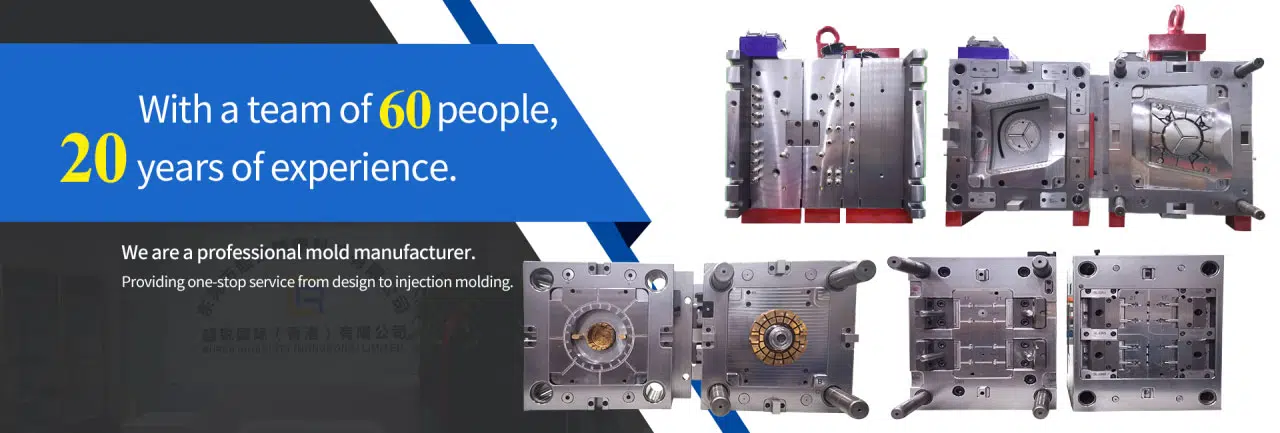
Rapid Prototyping: Accelerating Innovation in Product Development

Rapid Prototyping: Accelerating Innovation in Product Development

本身

# Rapid Prototyping: Accelerating Innovation in Product Development

Rapid Prototyping: Accelerating Innovation in Product Development

In today’s fast-paced business environment, the ability to quickly transform ideas into tangible products is crucial for staying competitive. Rapid prototyping has emerged as a game-changing approach that enables companies to accelerate their product development cycles while reducing costs and mitigating risks.

What is Rapid Prototyping?

Rapid prototyping refers to a group of techniques used to quickly fabricate a scale model of a physical part or assembly using three-dimensional computer-aided design (CAD) data. Unlike traditional prototyping methods that could take weeks or months, rapid prototyping can produce functional prototypes in a matter of hours or days.

Key Benefits of Rapid Prototyping

1. Faster Time-to-Market

By significantly reducing the time required to create prototypes, companies can iterate designs more quickly and bring products to market faster than competitors.

2. Cost Reduction

Early identification of design flaws through rapid prototyping helps avoid expensive tooling modifications and production delays later in the development process.

3. Improved Communication

Physical prototypes provide a common reference point for designers, engineers, and stakeholders, facilitating better communication and alignment.

4. Enhanced Innovation

The ability to quickly test multiple design variations encourages creative experimentation and leads to more innovative solutions.

Common Rapid Prototyping Technologies

  • 3D Printing/Additive Manufacturing: Builds parts layer by layer from various materials including plastics, resins, and metals
  • CNC Machining: Uses computer-controlled machines to remove material from a solid block
  • Vacuum Casting: Creates multiple copies of a prototype using silicone molds
  • Laser Cutting: Precisely cuts or engraves materials like wood, acrylic, or metal

Applications Across Industries

Rapid prototyping finds applications in numerous industries:

Automotive: Testing aerodynamic designs and ergonomic layouts

Medical: Creating patient-specific surgical models and prosthetics

Consumer Products: Evaluating form, fit, and function of new designs

Aerospace: Developing lightweight components with complex geometries

The Future of Rapid Prototyping

As technologies continue to advance, rapid prototyping is becoming even faster, more accurate, and more accessible. The integration of artificial intelligence for design optimization and the development of new materials are pushing the boundaries of what’s possible. Companies that effectively leverage these capabilities will gain significant competitive advantages in their respective markets.

By embracing rapid prototyping methodologies, organizations can foster a culture of innovation, reduce development risks, and ultimately deliver better products to their customers in record time.

High-Precision Machining: Techniques and Applications

High-Precision Machining: Techniques and Applications

html

High-Precision Machining: Techniques and Applications

High-precision machining is a critical process in modern manufacturing, enabling the production of components with extremely tight tolerances and superior surface finishes. This technology is essential in industries where accuracy and reliability are paramount, such as aerospace, medical devices, and automotive engineering.

Key Techniques in High-Precision Machining

Several advanced techniques are employed in high-precision machining to achieve the desired level of accuracy:

  • CNC Machining: Computer Numerical Control (CNC) machines use programmed instructions to control cutting tools with exceptional precision.
  • Micro-Machining: This process creates extremely small features, often measured in micrometers.
  • Ultra-Precision Turning: Specialized lathes produce parts with nanometer-level surface finishes.
  • Grinding and Lapping: These finishing processes achieve sub-micron tolerances on hardened materials.

Materials for High-Precision Components

The choice of material significantly impacts the machining process and final product quality. Common materials include:

Material Typical Applications
Aluminum Alloys Aerospace components, optical mounts
Titanium Medical implants, aircraft parts
Stainless Steel Surgical instruments, precision valves
Engineering Plastics Insulating components, bearing surfaces

Applications Across Industries

High-precision machining serves numerous critical applications:

Aerospace Industry

From turbine blades to navigation system components, aerospace demands the highest levels of precision for safety and performance.

Medical Technology

Surgical tools, implants, and diagnostic equipment require biocompatible materials machined to exacting specifications.

Automotive Sector

Fuel injection systems, transmission components, and sensor housings benefit from precision machining’s consistency.

Future Trends in Precision Machining

The field continues to evolve with several emerging technologies:

  • Additive manufacturing integration with subtractive processes
  • Artificial intelligence for real-time process optimization
  • Advanced metrology systems for in-process quality control
  • Development of new ultra-hard cutting tool materials

As tolerances become tighter and materials more challenging, high-precision machining remains at the forefront of manufacturing innovation, enabling products that push the boundaries of technology and performance.

**GPCR Antagonist Compounds: Mechanisms and Therapeutic Applications**

html

GPCR Antagonist Compounds: Mechanisms and Therapeutic Applications

Introduction

G protein-coupled receptors (GPCRs) are one of the largest and most diverse families of membrane proteins, playing crucial roles in signal transduction and cellular communication. GPCR antagonist compounds are molecules that block the activation of these receptors, offering significant therapeutic potential for a wide range of diseases. This article explores the mechanisms of GPCR antagonists and their clinical applications.

Mechanisms of GPCR Antagonists

GPCR antagonists work by binding to the receptor’s active site or allosteric sites, preventing the natural ligand (agonist) from activating the receptor. This inhibition can occur through competitive or non-competitive mechanisms:

  • Competitive Antagonists: These compounds compete with the agonist for the same binding site, effectively blocking its action.
  • Non-competitive Antagonists: These bind to a different site on the receptor, inducing conformational changes that prevent agonist activation.
  • Inverse Agonists: A subset of antagonists that stabilize the receptor in an inactive state, reducing basal activity.

Therapeutic Applications

GPCR antagonists have been successfully employed in treating various conditions, including cardiovascular diseases, neurological disorders, and cancer. Below are some notable examples:

Cardiovascular Diseases

Beta-blockers, such as propranolol, are classic examples of GPCR antagonists used to manage hypertension and arrhythmias by blocking β-adrenergic receptors.

Neurological Disorders

Antipsychotic drugs like haloperidol act as dopamine D2 receptor antagonists, helping to alleviate symptoms of schizophrenia and bipolar disorder.

Cancer Therapy

Certain GPCR antagonists, such as those targeting chemokine receptors, are being investigated for their potential to inhibit tumor growth and metastasis.

Challenges and Future Directions

Despite their therapeutic benefits, GPCR antagonists face challenges like off-target effects and receptor selectivity. Advances in structural biology and computational modeling are paving the way for the development of more precise and effective antagonists.

Conclusion

GPCR antagonist compounds represent a powerful tool in modern medicine, with diverse applications across multiple therapeutic areas. Continued research into their mechanisms and optimization will further expand their clinical utility and improve patient outcomes.

RTK Inhibitor Library: A Comprehensive Collection for Targeted Therapy Research

,字数在1000左右。html

RTK Inhibitor Library: A Comprehensive Collection for Targeted Therapy Research

Receptor tyrosine kinases (RTKs) play a pivotal role in cellular signaling pathways, regulating critical processes such as cell growth, differentiation, and survival. Dysregulation of RTKs is frequently associated with various cancers and other diseases, making them prime targets for therapeutic intervention. The RTK Inhibitor Library serves as an invaluable resource for researchers exploring targeted therapies, offering a diverse collection of compounds designed to modulate RTK activity.

Understanding RTKs and Their Therapeutic Potential

RTKs are a family of cell surface receptors that transmit signals from extracellular ligands to intracellular signaling cascades. They consist of an extracellular ligand-binding domain, a transmembrane domain, and an intracellular tyrosine kinase domain. Upon ligand binding, RTKs dimerize and autophosphorylate, initiating downstream signaling pathways such as MAPK, PI3K/AKT, and JAK/STAT.

Given their central role in cellular processes, RTKs have emerged as attractive drug targets. The RTK Inhibitor Library provides researchers with tools to:

  • Investigate RTK signaling pathways
  • Develop targeted cancer therapies
  • Explore treatment options for neurodegenerative diseases
  • Study angiogenesis inhibitors

Features of the RTK Inhibitor Library

The RTK Inhibitor Library stands out for its comprehensive nature and carefully curated selection of compounds. Key features include:

Diverse Compound Selection

The library encompasses inhibitors targeting various RTK families, including:

  • EGFR family inhibitors
  • VEGFR inhibitors
  • PDGFR inhibitors
  • FGFR inhibitors
  • ALK inhibitors
  • MET inhibitors

Clinically Relevant Compounds

Many compounds in the library are either FDA-approved drugs or are currently in clinical trials, providing researchers with:

  • Validated pharmacological tools
  • Compounds with known safety profiles
  • Potential candidates for drug repurposing

Structural Diversity

The library includes compounds with various chemical scaffolds, enabling structure-activity relationship studies and facilitating the discovery of novel inhibitors.

Applications in Research and Drug Discovery

The RTK Inhibitor Library finds applications across multiple areas of biomedical research:

Cancer Research

Given the prominent role of RTKs in oncogenesis, the library is particularly valuable for:

  • Identifying novel therapeutic targets
  • Screening for combination therapies
  • Overcoming drug resistance mechanisms

Angiogenesis Studies

VEGFR and other RTK inhibitors in the library are essential tools for studying:

  • Tumor angiogenesis
  • Ocular neovascular diseases
  • Wound healing processes

Neurodegenerative Disease Research

Emerging evidence suggests RTK modulation may be beneficial in:

Quality Control and Data Availability

To ensure research reliability, the

RTK Inhibitor Library: A Comprehensive Collection for Targeted Therapy Research

# RTK Inhibitor Library: A Comprehensive Collection for Targeted Therapy Research

Introduction to RTK Inhibitors

Receptor tyrosine kinases (RTKs) play a crucial role in cell signaling pathways that regulate essential cellular processes such as proliferation, differentiation, and survival. Dysregulation of RTKs has been implicated in various diseases, particularly cancer. The RTK inhibitor library represents a valuable resource for researchers investigating targeted therapies against these critical signaling molecules.

What is an RTK Inhibitor Library?

An RTK inhibitor library is a carefully curated collection of small molecules designed to specifically target and inhibit the activity of receptor tyrosine kinases. These libraries typically include:

  • FDA-approved RTK inhibitors
  • Clinical trial candidates
  • Well-characterized tool compounds
  • Novel chemical entities with RTK inhibitory activity

Applications in Research and Drug Discovery

The RTK inhibitor library serves multiple purposes in biomedical research:

1. Cancer Research

Given the prominent role of RTKs in oncogenesis, these libraries are particularly valuable for identifying potential anti-cancer agents that can block aberrant RTK signaling.

2. Mechanism of Action Studies

Researchers can use these inhibitors to dissect complex signaling pathways and understand the specific contributions of different RTKs to cellular processes.

3. Combination Therapy Development

The library enables screening for synergistic effects when combining different RTK inhibitors or pairing them with other therapeutic modalities.

Key Features of a High-Quality RTK Inhibitor Library

When selecting an RTK inhibitor library, researchers should consider several important factors:

  • Diversity: Coverage of multiple RTK families (EGFR, VEGFR, PDGFR, etc.)
  • Specificity: Well-characterized selectivity profiles
  • Potency: Compounds with demonstrated biological activity
  • Chemical Quality: High purity and structural verification
  • Annotation: Comprehensive data on targets, mechanisms, and references

Future Directions

As our understanding of RTK biology deepens, RTK inhibitor libraries will continue to evolve. Emerging trends include:

  • Development of allosteric inhibitors
  • Compounds targeting RTK oligomerization
  • Degraders (PROTACs) targeting RTKs
  • Inhibitors with improved blood-brain barrier penetration

The RTK inhibitor library remains an indispensable tool for advancing targeted therapy research and developing new treatment options for diseases driven by aberrant RTK signaling.

Cámara hiperbárica He5000 2 ATA en venta para 2-3 personas

html

Cámara hiperbárica He5000 2 ATA en venta para 2-3 personas

Si estás buscando una cámara hiperbárica de alta calidad para uso médico o terapéutico, la He5000 2 ATA es una excelente opción. Este modelo está diseñado para acomodar cómodamente a 2-3 personas, lo que lo hace ideal para clínicas, centros de rehabilitación o incluso para uso privado.

Características principales de la cámara hiperbárica He5000

La cámara hiperbárica He5000 ofrece una serie de características que la destacan en el mercado:

  • Capacidad para 2-3 personas: Espacio suficiente para tratamientos grupales o individuales.
  • Presión de 2 ATA: Ideal para terapias de oxigenación hiperbárica efectivas.
  • Diseño ergonómico: Fabricada con materiales de alta calidad para garantizar seguridad y comodidad.
  • Fácil manejo: Sistema de control intuitivo para ajustar la presión y el tiempo de tratamiento.

Beneficios de la terapia hiperbárica

La terapia de oxigenación hiperbárica (TOHB) ofrece múltiples beneficios para la salud, entre los que se incluyen:

  • Aceleración de la cicatrización de heridas.
  • Mejora en la recuperación postquirúrgica.
  • Reducción de la inflamación y el dolor crónico.
  • Estimulación del sistema inmunológico.

¿Por qué elegir la cámara He5000?

La cámara hiperbárica He5000 es una inversión inteligente para quienes buscan un equipo confiable y eficiente. Su diseño robusto y su capacidad para tratar a varias personas simultáneamente la convierten en una opción versátil para profesionales de la salud y pacientes.

Si estás interesado en adquirir esta cámara, no dudes en contactarnos para obtener más información sobre precios, disponibilidad y condiciones de entrega.

¡Mejora la calidad de vida de tus pacientes con la tecnología hiperbárica de última generación!

Plastic Model Kits for Hobbyists

Plastic Model Kits for Hobbyists

# Plastic Model Kits for Hobbyists

## The Joy of Building Plastic Models

Plastic model kits have been a beloved hobby for generations, offering enthusiasts a chance to create detailed replicas of everything from military vehicles to sci-fi spacecraft. These kits provide a satisfying blend of creativity, precision, and relaxation that appeals to hobbyists of all ages.

## Types of Plastic Model Kits

### 1. Military Models

One of the most popular categories, military models include tanks, aircraft, ships, and figures from various historical periods. These kits often come with intricate details and optional paint schemes.

### 2. Automotive Kits

Car enthusiasts can build replicas of classic automobiles, race cars, or modern vehicles. Many kits feature working parts like steering mechanisms and opening doors.

### 3. Science Fiction and Fantasy

From Star Wars ships to anime mecha, these kits let builders bring their favorite fictional vehicles and characters to life in three dimensions.

### 4. Architectural Models

For those interested in buildings and structures, architectural model kits offer the chance to recreate famous landmarks or design their own creations.

## Getting Started with Plastic Models

If you’re new to the hobby, here are some basic steps to begin:

Keyword: Plastic Models

– Choose a simple kit to start with
– Gather essential tools (clippers, glue, files)
– Prepare your workspace
– Follow the instructions carefully
– Take your time and enjoy the process

## Advanced Techniques for Experienced Builders

For those looking to take their modeling skills further:

– Airbrushing for professional paint finishes
– Weathering techniques to add realism
– Scratch-building custom parts
– Photo-etch detailing
– Diorama creation for display scenes

## The Benefits of Model Building

Beyond being an enjoyable pastime, plastic model building offers several benefits:

– Improves hand-eye coordination
– Enhances patience and attention to detail
– Provides a creative outlet
– Offers educational value (especially historical models)
– Creates a sense of accomplishment

## Where to Find Plastic Model Kits

Model kits are available at:

– Local hobby shops
– Online retailers
– Model shows and conventions
– Some bookstores and toy stores
– Secondhand markets (for vintage kits)

Whether you’re looking for a relaxing solo activity or a way to connect with other enthusiasts, plastic model kits offer endless possibilities for creative expression and skill development. The hobby continues to evolve with new technologies and materials, ensuring its popularity for years to come.

3D Printing: Revolutionizing Manufacturing and Design

3D Printing: Revolutionizing Manufacturing and Design

# 3D Printing: Revolutionizing Manufacturing and Design

## Introduction

3D printing, also known as additive manufacturing, has emerged as a groundbreaking technology that is transforming industries across the globe. From rapid prototyping to customized production, this innovative process is reshaping how we create objects and solve complex design challenges.

## The Basics of 3D Printing

At its core, 3D printing builds objects layer by layer from digital models. Unlike traditional subtractive manufacturing methods that remove material, additive manufacturing adds material only where needed, resulting in less waste and greater design freedom.

### How It Works

The process typically involves three main steps:
1. Creating a digital 3D model using CAD software
2. Slicing the model into thin layers
3. Printing the object by depositing material layer upon layer

## Applications Across Industries

3D printing has found applications in numerous sectors, demonstrating its versatility and potential:

### Healthcare
– Custom prosthetics and implants
– Bioprinting of tissues and organs
– Surgical planning models

### Aerospace
– Lightweight aircraft components
– Complex engine parts
– Rapid prototyping for new designs

### Automotive
– Custom car parts
– Tooling and jigs
– Concept model creation

## Advantages of 3D Printing

Keyword: 3D Printing

This technology offers several significant benefits over traditional manufacturing methods:

### Design Freedom
– Creation of complex geometries impossible with other methods
– No need for expensive tooling
– Easy design modifications

### Cost Efficiency
– Reduced material waste
– Lower production costs for small batches
– Minimal setup requirements

### Speed and Customization
– Rapid prototyping capabilities
– Mass customization possibilities
– On-demand production

## Future Developments

The future of 3D printing looks promising with several exciting advancements on the horizon:

### New Materials
– Development of stronger, more durable printing materials
– Conductive materials for electronics
– Sustainable and biodegradable options

### Larger Scale Printing
– Construction-scale 3D printing for buildings
– Large-format industrial applications
– Continuous printing systems

### Multi-material Printing
– Simultaneous printing with different materials
– Integrated electronic components
– Gradient material properties

## Challenges and Considerations

While 3D printing offers tremendous potential, there are still challenges to address:

### Technical Limitations
– Print speed limitations for mass production
– Surface finish quality concerns
– Size constraints for some printers

### Material Science
– Limited material options compared to traditional manufacturing
– Material property consistency
– Post-processing requirements

### Intellectual Property
– Digital file security concerns
– Copyright and patent issues
– Counterfeiting risks

## Conclusion

3D printing continues to evolve at a rapid pace, pushing the boundaries of what’s possible in manufacturing and design. As the technology matures and becomes more accessible, we can expect to see even more innovative applications that will further revolutionize how we create and produce objects in the future.

Mass Spectrometry-Ready Peptides: Preparation and Applications

# Mass Spectrometry-Ready Peptides: Preparation and Applications

## Introduction to Mass Spectrometry-Ready Peptides

Mass spectrometry-ready peptides are synthetic or naturally derived peptides that have been specifically prepared for analysis using mass spectrometry (MS) techniques. These peptides play a crucial role in proteomics research, drug discovery, and biomarker identification.

## Preparation of Mass Spectrometry-Ready Peptides

### 1. Peptide Synthesis

The first step in preparing MS-ready peptides involves their synthesis. This can be achieved through:

  • Solid-phase peptide synthesis (SPPS)
  • Recombinant DNA technology
  • Enzymatic digestion of proteins

### 2. Purification Techniques

After synthesis, peptides must be purified to remove impurities that could interfere with MS analysis:

  • High-performance liquid chromatography (HPLC)
  • Reverse-phase chromatography
  • Ion-exchange chromatography

### 3. Sample Preparation for MS

Final preparation steps include:

  • Desalting to remove buffer salts
  • Concentration adjustment
  • Addition of appropriate matrices for MALDI-MS

## Key Applications of Mass Spectrometry-Ready Peptides

### 1. Proteomics Research

MS-ready peptides are essential for:

  • Protein identification
  • Post-translational modification analysis
  • Quantitative proteomics

### 2. Drug Discovery and Development

These peptides facilitate:

  • Peptide drug screening
  • Pharmacokinetic studies
  • Drug-target interaction analysis

### 3. Clinical Diagnostics

MS-ready peptides are used in:

  • Biomarker discovery
  • Disease diagnosis
  • Therapeutic monitoring

## Advantages of Using Mass Spectrometry-Ready Peptides

The use of properly prepared MS-ready peptides offers several benefits:

  • Improved signal-to-noise ratio in mass spectra
  • Enhanced reproducibility of results
  • Reduced instrument contamination
  • Increased sensitivity for low-abundance peptides

## Future Perspectives

As mass spectrometry technology continues to advance, the demand for high-quality MS-ready peptides will grow. Future developments may include:

  • Automated preparation workflows
  • Improved stabilization techniques
  • Novel labeling strategies for multiplexed analysis

Mass Spectrometry-Ready Peptides: Preparation and Analysis

# Mass Spectrometry-Ready Peptides: Preparation and Analysis

## Introduction to Mass Spectrometry-Ready Peptides

Mass spectrometry (MS) has become an indispensable tool in proteomics and peptide analysis. To obtain accurate and reliable results, peptides must be properly prepared before MS analysis. Mass spectrometry-ready peptides are samples that have been processed and purified to meet the stringent requirements of MS instruments.

## Key Steps in Preparing MS-Ready Peptides

### 1. Peptide Synthesis and Purification

High-quality peptide synthesis is the foundation for successful MS analysis. Synthetic peptides should be:
– At least 95% pure (HPLC purity)
– Free of salts and other contaminants
– Properly characterized by analytical techniques

### 2. Sample Desalting

Salt removal is critical for MS analysis as salts can:
– Suppress ionization
– Cause adduct formation
– Interfere with mass detection

Common desalting methods include:
– Solid-phase extraction (SPE)
– Dialysis
– Size-exclusion chromatography

### 3. Concentration Adjustment

Peptide concentration should be optimized for:
– Sufficient signal intensity
– Avoiding detector saturation
– Minimizing ion suppression effects

## Mass Spectrometry Analysis of Peptides

### Common MS Techniques for Peptide Analysis

Technique | Application
MALDI-TOF | Molecular weight determination
ESI-MS/MS | Sequence analysis

LC-MS/MS | Complex mixture analysis

### Data Interpretation Considerations

When analyzing MS data from peptides:
– Consider possible post-translational modifications
– Account for potential fragmentation patterns
– Verify results with database searches
– Use appropriate software for peak identification

## Troubleshooting Common Issues

Problem | Possible Solution
Low signal intensity | Increase concentration or optimize ionization
Poor resolution | Check instrument calibration
Unexpected peaks | Verify purity and consider contaminants

## Best Practices for MS-Ready Peptide Preparation

To ensure successful MS analysis:
1. Always use high-purity solvents and reagents
2. Store peptides properly (typically at -20°C or -80°C)
3. Avoid repeated freeze-thaw cycles
4. Use appropriate buffers compatible with MS
5. Include proper controls in each experiment

## Conclusion

Proper preparation of mass spectrometry-ready peptides is essential for obtaining high-quality data in proteomics research. By following standardized protocols for peptide synthesis, purification, and sample preparation, researchers can maximize the sensitivity and accuracy of their mass spectrometry analyses. As MS technology continues to advance, the demand for well-characterized, MS-ready peptides will only increase, making these preparation techniques increasingly important in modern biological research.