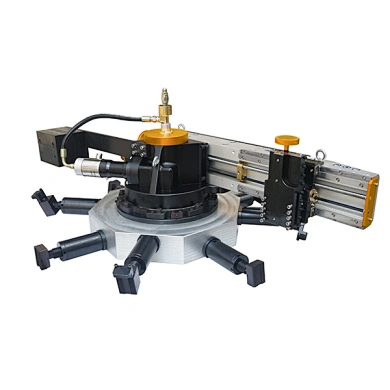
Industrial Flange Facer: Essential Tool for Precision Machining

Industrial Flange Facer: Essential Tool for Precision Machining

# Industrial Flange Facer: Essential Tool for Precision Machining

What is an Industrial Flange Facer?

An industrial flange facer is a specialized machining tool designed to create perfectly flat and smooth surfaces on pipe flanges. These powerful machines are essential in industries where precise flange facing is required for proper sealing and connection of piping systems.

Key Features of Modern Flange Facers

Contemporary industrial flange facers incorporate several important features:

  • Precision cutting tools for accurate surface finishing
  • Adjustable mounting systems for various flange sizes
  • Portable designs for on-site machining
  • Automated feed mechanisms for consistent results
  • Durable construction for industrial environments

Applications Across Industries

Industrial flange facers serve critical functions in multiple sectors:

Oil and Gas Industry

In pipeline construction and maintenance, flange facers ensure leak-proof connections that can withstand high pressures.

Power Generation

Power plants rely on precisely faced flanges for steam and cooling systems where even minor imperfections can cause significant issues.

Chemical Processing

The chemical industry requires perfectly sealed flange connections to prevent hazardous material leaks.

Benefits of Using Professional Flange Facing Equipment

Investing in quality industrial flange facers provides numerous advantages:

Benefit Description
Improved Safety Properly faced flanges reduce the risk of leaks and system failures
Cost Savings On-site machining eliminates the need for flange replacement
Time Efficiency Quick setup and operation minimize downtime
Versatility Ability to work with various flange materials and sizes

Choosing the Right Flange Facer

When selecting an industrial flange facer, consider these factors:

  1. Flange Size Range: Ensure the machine can handle your typical flange diameters
  2. Portability Needs: Determine if you require a stationary or mobile unit
  3. Power Source: Choose between electric, hydraulic, or pneumatic models
  4. Cutting Accuracy: Verify the machine’s precision specifications
  5. Durability: Select robust construction for heavy industrial use

Maintenance Tips for Longevity

Proper care of your flange facer will extend its service life:

  • Regularly clean cutting tools and remove metal shavings
  • Lubricate moving parts according to manufacturer guidelines
  • Inspect mounting systems for wear and tear
  • Store the machine in a dry, protected environment
  • Follow all safety protocols during operation

The Future of Flange Facing Technology

Emerging trends in industrial flange facers include:

Advanced automation with computer-controlled cutting paths, improved material science for longer-lasting cutting tools, and integrated measurement systems that provide real-time feedback on surface quality. These innovations continue to enhance the precision and efficiency of flange facing operations across industries.
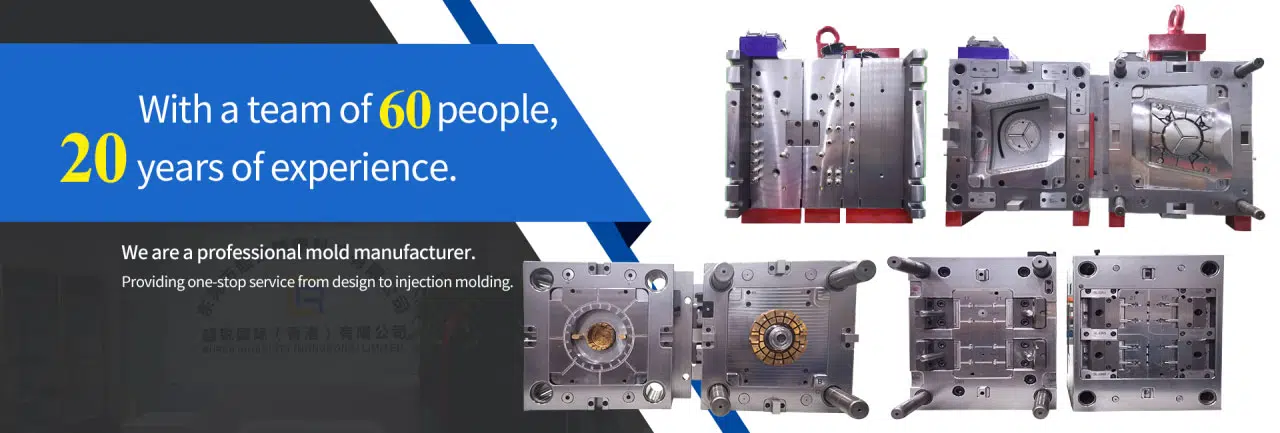
Injection Molding: Principles and Applications

Injection Molding: Principles and Applications

# Injection Molding: Principles and Applications

## Introduction to Injection Molding

Injection molding is a manufacturing process widely used for producing plastic parts in large volumes. This technique has revolutionized the production of plastic components due to its efficiency, precision, and cost-effectiveness. From small consumer products to large automotive components, injection molding plays a crucial role in modern manufacturing.

## The Basic Principles of Injection Molding

The injection molding process involves several key steps that work together to create high-quality plastic parts:

– Material preparation: Plastic pellets are fed into the hopper
– Melting: The material is heated to a molten state in the barrel
– Injection: The molten plastic is injected into a mold cavity
– Cooling: The plastic solidifies as it cools within the mold
– Ejection: The finished part is ejected from the mold

This cycle repeats continuously, allowing for high-volume production with consistent quality.

## Key Components of an Injection Molding Machine

An injection molding machine consists of several essential components:

### 1. Injection Unit

The injection unit is responsible for melting and injecting the plastic material. It includes:

– Hopper for material feeding
– Barrel with heating elements
– Screw for mixing and pushing the material
– Nozzle for injecting into the mold

### 2. Clamping Unit

The clamping unit holds the mold halves together during injection and cooling. It consists of:

– Moving and stationary platens
– Tie bars for structural support
– Hydraulic or electric clamping mechanism

### 3. Mold

The mold is the custom tool that gives the plastic part its shape. It includes:

– Core and cavity
– Cooling channels
– Ejection system
– Runner system for material flow

## Common Materials Used in Injection Molding

Various thermoplastic materials can be used in injection molding, each with unique properties:

– Polypropylene (PP): Excellent chemical resistance and flexibility
– Acrylonitrile Butadiene Styrene (ABS): Good impact resistance and surface finish
– Polycarbonate (PC): High strength and transparency
– Polyethylene (PE): Good chemical resistance and low cost
– Nylon (PA): High strength and wear resistance

## Advantages of Injection Molding

Injection molding offers numerous benefits for manufacturers:

– High production rates
– Consistent part quality
– Low labor costs
– Ability to produce complex geometries
– Minimal material waste
– Wide range of material options

## Applications of Injection Molding

Injection molding finds applications across various industries:

### Consumer Products

– Plastic containers
– Toys
– Household items
– Electronic housings

### Automotive Components

– Dashboards
– Bumpers
– Interior trim
– Light housings

### Medical Devices

– Syringes
– Surgical instruments
– Implantable components
– Diagnostic equipment

### Industrial Parts

– Gears
– Bushings
– Housings
– Connectors

## Recent Advancements in Injection Molding Technology

The injection molding industry continues to evolve with new technologies:

– Multi-material molding for complex parts
– Micro-injection molding for tiny components
– Gas-assisted injection molding for hollow parts
– 3D printed molds for rapid prototyping
– Industry 4.0 integration for smart manufacturing

## Conclusion

Injection molding remains one of the most versatile and efficient manufacturing processes for plastic parts. Its ability to produce high-quality components at scale makes it indispensable across numerous industries. As technology advances, injection molding continues to expand its capabilities, offering manufacturers even greater possibilities for product innovation and production efficiency.

Endotoxin Detection Using LAL Kinetic Chromogenic Assay

Endotoxin Detection Using LAL Kinetic Chromogenic Assay

# Endotoxin Detection Using LAL Kinetic Chromogenic Assay

## Introduction to Endotoxins and Their Detection

Endotoxins, also known as lipopolysaccharides (LPS), are toxic components found in the outer membrane of Gram-negative bacteria. These substances can cause severe reactions in humans and animals, including fever, septic shock, and even death when introduced into the bloodstream. Therefore, detecting and quantifying endotoxins is crucial in pharmaceutical manufacturing, medical device production, and other industries where product sterility is paramount.

## Understanding the LAL Kinetic Chromogenic Assay

The Limulus Amebocyte Lysate (LAL) Kinetic Chromogenic Assay is one of the most sensitive and widely used methods for endotoxin detection. This assay utilizes the clotting mechanism of horseshoe crab blood (Limulus polyphemus) to detect the presence of endotoxins with high precision.

### How the Assay Works

The LAL Kinetic Chromogenic Assay operates through a series of enzymatic reactions:

1. Endotoxin activates Factor C in the LAL reagent
2. Activated Factor C then activates Factor B
3. The proclotting enzyme is subsequently activated
4. The activated enzyme cleaves a synthetic chromogenic substrate
5. The cleavage releases p-nitroaniline (pNA), which produces a yellow color
6. The rate of color development is proportional to the endotoxin concentration

## Advantages of the Kinetic Chromogenic Method

The LAL Kinetic Chromogenic Assay offers several benefits over other endotoxin detection methods:

– High sensitivity (detection limit typically 0.005 EU/mL)
– Quantitative results with a broad dynamic range
– Reduced interference from certain sample matrices
– Automated data collection and analysis capabilities
– Compliance with international pharmacopeial standards

## Applications in Various Industries

This assay finds extensive use across multiple sectors:

### Pharmaceutical Industry
– Testing of parenteral drugs
– Water for injection (WFI) monitoring
– Raw material screening

### Medical Device Manufacturing
– Implantable device testing
– Dialysis equipment validation
– Surgical instrument sterilization verification

### Biotechnology
– Recombinant protein production
– Vaccine development
– Cell culture monitoring

## Standardization and Regulatory Compliance

The LAL Kinetic Chromogenic Assay is recognized by major pharmacopeias:

– United States Pharmacopeia (USP)
– European Pharmacopoeia (EP) 2.6.14
– Japanese Pharmacopoeia (JP) 4.01

Regulatory bodies such as the FDA and EMA require endotoxin testing for product release, making this assay an essential quality control tool.

## Future Developments in Endotoxin Detection

While the LAL Kinetic Chromogenic Assay remains the gold standard, researchers are exploring:
– Recombinant Factor C (rFC) based assays
– Microfluidic detection systems
– High-throughput automated platforms
– Improved sample preparation techniques

These advancements aim to maintain the assay’s reliability while addressing concerns about horseshoe crab conservation and improving testing efficiency.

Customized Compound Formulation for Targeted Applications

# Customized Compound Formulation for Targeted Applications

## The Importance of Tailored Compound Development

In today’s fast-paced industrial and pharmaceutical landscape, the demand for customized compound formulations has never been higher. Tailored compound development allows manufacturers and researchers to create specialized materials with precisely controlled properties to meet specific application requirements.

From advanced polymers to pharmaceutical ingredients, the ability to customize compounds at the molecular level opens up new possibilities across multiple industries. This approach enables better performance, improved efficiency, and often leads to breakthrough innovations that standard formulations cannot achieve.

## Key Benefits of Custom Formulations

### 1. Enhanced Performance Characteristics

Customized compounds can be engineered to exhibit specific mechanical, thermal, or chemical properties that are optimized for particular applications. This precision engineering results in materials that perform better under expected operating conditions.

### 2. Improved Cost Efficiency

By focusing on exactly what’s needed for an application, tailored formulations often eliminate unnecessary components, reducing material costs while maintaining or even improving performance.

### 3. Greater Application Specificity

Whether it’s a pharmaceutical compound with targeted release properties or an industrial material designed for extreme environments, custom formulations can be developed to address very specific challenges.

## The Development Process

Creating a customized compound formulation typically follows a structured approach:

– Requirement Analysis: Understanding the exact needs of the application
– Material Selection: Choosing base components with desired properties
– Formulation Design: Developing the compound structure
– Prototyping: Creating initial samples for testing
– Performance Evaluation: Assessing against requirements
– Optimization: Refining the formulation based on test results
– Scale-up: Preparing for commercial production

## Applications Across Industries

### Pharmaceutical Sector

In drug development, customized formulations allow for controlled release profiles, improved bioavailability, and targeted delivery systems that enhance therapeutic effectiveness while minimizing side effects.

### Advanced Materials

From aerospace composites to high-performance coatings, tailored compounds enable materials with exceptional strength-to-weight ratios, thermal stability, or other specialized characteristics.

### Consumer Products

Even everyday products benefit from custom formulations, whether it’s specialized cleaning compounds, cosmetic ingredients, or food additives designed for specific functional properties.

## Future Trends in Compound Development

As technology advances, we’re seeing several exciting developments in customized compound formulation:

– AI-assisted molecular design accelerating development cycles
– Sustainable and bio-based compound alternatives
– Nanotechnology-enabled formulations with unprecedented precision
– Smart materials with responsive properties

The ability to create precisely tailored compounds will continue to drive innovation across industries, solving complex challenges and enabling new applications that were previously unimaginable.

快速启动QuickQ:高效任务管理指南

快速启动QuickQ:高效任务管理指南

Keyword: quickq

# 快速启动QuickQ:高效任务管理指南

什么是QuickQ?

QuickQ是一款专为提升个人和团队工作效率而设计的任务管理工具。它通过简洁直观的界面和智能化的功能,帮助用户快速捕捉、组织和执行各类任务,让您的工作流程更加顺畅高效。

核心功能特点

QuickQ之所以能在众多任务管理工具中脱颖而出,主要得益于以下几个核心功能:

  • 即时任务捕捉:一键添加新任务,支持语音输入和快捷输入
  • 智能分类系统:自动识别任务类型并归类
  • 优先级管理:四象限法则直观展示任务紧急重要程度
  • 团队协作:实时同步任务状态,支持多人协作
  • 跨平台同步:手机、电脑、平板数据实时同步

快速入门指南

1. 初始设置

首次使用QuickQ时,建议花5分钟完成以下设置:

  • 创建个人工作区
  • 设置常用任务类别标签
  • 配置通知提醒偏好

2. 日常使用流程

养成以下使用习惯,让QuickQ发挥最大效用:

  1. 晨间规划:查看当日任务清单
  2. 随时记录:遇到新任务立即添加
  3. 定期回顾:每天下班前检查完成情况
  4. 每周总结:分析任务完成效率

高级使用技巧

快捷键大全

掌握这些快捷键,效率提升50%:

功能 Windows快捷键 Mac快捷键
新建任务 Ctrl+N Command+N
快速搜索 Ctrl+F Command+F
标记完成 Ctrl+D Command+D

与其他工具集成

QuickQ可与以下常用工具无缝衔接:

  • 日历应用:自动同步截止日期
  • 邮件客户端:将邮件直接转为任务
  • 云存储:附件自动备份

常见问题解答

如何恢复误删的任务?

QuickQ提供30天内任务回收站功能,可通过”设置>回收站”找回误删任务。

团队版和个人版有什么区别?

团队版额外提供任务分配、进度追踪和团队数据分析功能,适合3人以上的协作团队使用。

结语

QuickQ不仅仅是一个任务管理工具,更是提升工作效率的得力助手。通过合理规划和持续使用,您将发现自己的工作节奏更加有序,重要事项不再遗漏,时间管理能力显著提升。现在就开始您的Quick

Chinese Barbie Dolls: A Cultural Fusion of Tradition and Modernity

# Chinese Barbie Dolls: A Cultural Fusion of Tradition and Modernity

## The Rise of Chinese Barbie Dolls in Global Markets

In recent years, Chinese Barbie dolls have emerged as a fascinating phenomenon in the toy industry, blending traditional Chinese aesthetics with contemporary doll design. These culturally rich playthings have captured the imagination of collectors and children alike, offering a fresh perspective on the classic Barbie concept.

## Traditional Elements in Modern Doll Design

Chinese Barbie dolls stand out for their exquisite incorporation of cultural symbols:

– Intricate hanfu (traditional Chinese clothing) designs with authentic patterns
– Hairstyles inspired by historical Chinese beauty standards
– Accessories featuring Chinese motifs like peonies, dragons, and phoenixes
– Makeup styles reflecting traditional opera influences

## The Cultural Significance Behind the Dolls

More than just toys, these dolls serve as ambassadors of Chinese heritage. Manufacturers have carefully researched historical costumes and customs to ensure authenticity in their designs. The dolls often represent:

– Different Chinese dynasties through their attire
– Regional variations in traditional dress
– Important cultural celebrations and festivals
– Mythological and historical female figures

## Market Reception and Collectibility

The global response to Chinese Barbie dolls has been overwhelmingly positive:

– Growing demand among international collectors
– Special edition releases commanding premium prices
– Increased interest in Chinese culture through play
– Collaborations with fashion designers and artists

## Educational Value and Cultural Exchange

These dolls provide more than entertainment—they offer educational opportunities:

– Teaching children about Chinese history and traditions
– Promoting cultural understanding and appreciation
– Inspiring interest in Chinese language and arts
– Serving as conversation starters about global diversity

## The Future of Chinese Barbie Dolls

As the market for culturally diverse toys expands, Chinese Barbie dolls are poised for continued growth. Future developments may include:

– More regional variations representing China’s diverse ethnic groups
– Technological integration with augmented reality features
– Educational companion materials about Chinese culture
– Expanded lines featuring male counterparts and family sets

These culturally rich dolls represent a beautiful marriage of play and heritage, offering children worldwide a window into China’s magnificent cultural legacy while providing collectors with exquisite works of art. As they continue to evolve, Chinese Barbie dolls will undoubtedly play an increasingly important role in global cultural exchange through the universal language of play.

Kinetic Chromogenic Endotoxin Test: Principles and Applications


Kinetic Chromogenic Endotoxin Test: Principles and Applications

Kinetic Chromogenic Endotoxin Test: Principles and Applications

The Kinetic Chromogenic Endotoxin Test is a widely used method for detecting and quantifying bacterial endotoxins in pharmaceutical products, medical devices, and other materials. This test is based on the enzymatic reaction between endotoxins and a chromogenic substrate, producing a color change that can be measured spectrophotometrically. Its high sensitivity and accuracy make it a preferred choice in quality control and regulatory compliance.

Principles of the Kinetic Chromogenic Endotoxin Test

The test relies on the activation of the Limulus Amebocyte Lysate (LAL) enzyme cascade by endotoxins, which are lipopolysaccharides found in the outer membrane of Gram-negative bacteria. The key steps include:

  • Sample Preparation: The sample is diluted to fall within the test’s detection range.
  • Reaction Initiation: The LAL reagent, containing a chromogenic substrate, is mixed with the sample.
  • Color Development: Endotoxins activate the enzyme cascade, cleaving the substrate and releasing a chromophore.
  • Measurement: The rate of color development is measured kinetically using a spectrophotometer, correlating with endotoxin concentration.

Applications of the Kinetic Chromogenic Endotoxin Test

This method is extensively used in industries where endotoxin contamination poses significant risks, including:

  • Pharmaceuticals: Ensuring injectable drugs and vaccines are free from harmful endotoxins.
  • Medical Devices: Testing implants, catheters, and other devices for endotoxin levels.
  • Biotechnology: Monitoring raw materials and final products in biopharmaceutical production.
  • Water Quality: Detecting endotoxins in dialysis water and other medical-grade water systems.

Advantages Over Other Methods

The kinetic chromogenic assay offers several benefits compared to traditional methods like the gel-clot or turbidimetric tests:

  • Quantitative Results: Provides precise endotoxin concentrations rather than just pass/fail outcomes.
  • Higher Sensitivity: Detects lower endotoxin levels, crucial for highly regulated products.
  • Automation-Friendly: Easily integrated into automated systems for high-throughput testing.
  • Reduced Interference: Less affected by sample color or turbidity compared to turbidimetric methods.

Conclusion

The Kinetic Chromogenic Endotoxin Test is a powerful tool for ensuring the safety and quality of products in healthcare and biotechnology. Its ability to deliver accurate, quantitative results with high sensitivity makes it indispensable for compliance with stringent regulatory standards. As technology advances, this method continues to evolve, further enhancing its reliability and application scope.

Cell-Penetrating Peptides in Scientific Research

本身

html

Cell-Penetrating Peptides in Scientific Research

Cell-penetrating peptides (CPPs) have emerged as powerful tools in modern scientific research, offering unique capabilities for intracellular delivery of various cargo molecules. These short peptides, typically consisting of 5-30 amino acids, possess the remarkable ability to cross cellular membranes efficiently, making them invaluable for numerous research applications.

The Mechanism of Cell Penetration

CPPs utilize several mechanisms to enter cells, including direct penetration, endocytosis, and translocation. Their cationic nature and amphipathic properties allow them to interact with cell membranes and facilitate transport. Researchers have identified that the exact mechanism often depends on factors such as peptide sequence, concentration, and cell type.

Applications in Research

In scientific investigations, CPPs serve multiple purposes:

  • Delivery of nucleic acids (DNA, RNA, siRNA)
  • Transport of proteins and peptides
  • Introduction of small molecules and drugs
  • Imaging agent delivery for cellular tracking

Advantages Over Traditional Delivery Methods

Compared to conventional transfection methods, CPPs offer several benefits:

  • Lower cytotoxicity
  • Higher efficiency in difficult-to-transfect cells
  • Ability to deliver diverse cargo types
  • Potential for in vivo applications

Challenges and Future Directions

While CPPs show great promise, researchers continue to address challenges such as:

  • Improving specificity for target cells
  • Enhancing endosomal escape efficiency
  • Reducing nonspecific interactions
  • Developing more stable peptide sequences

Ongoing research focuses on designing modified CPPs with improved properties, exploring new applications in gene therapy, drug delivery, and diagnostic imaging. As our understanding of these remarkable peptides grows, they continue to revolutionize molecular and cellular research methodologies.

Cell-Penetrating Peptides in Scientific Research

# Cell-Penetrating Peptides in Scientific Research

## Introduction to Cell-Penetrating Peptides

Cell-penetrating peptides (CPPs) have emerged as powerful tools in scientific research due to their unique ability to cross cellular membranes. These short peptides, typically consisting of 5-30 amino acids, can deliver various cargo molecules into cells, making them invaluable for drug delivery, gene therapy, and molecular imaging applications.

## Mechanism of Cellular Uptake

The exact mechanism by which CPPs enter cells remains an active area of research. Current understanding suggests multiple pathways may be involved:

– Direct penetration through the lipid bilayer
– Endocytosis-mediated uptake
– Transient pore formation
– Membrane potential-dependent translocation

## Applications in Research

### Drug Delivery Systems

CPPs have revolutionized drug delivery by facilitating the transport of therapeutic molecules that would otherwise be unable to cross cell membranes. Researchers have successfully conjugated CPPs to:

– Small molecule drugs
– Proteins
– Nucleic acids
– Nanoparticles

### Gene Therapy

The ability of CPPs to deliver nucleic acids has opened new possibilities in gene therapy research. Scientists are exploring CPP-mediated delivery of:

– Plasmid DNA
– siRNA
– miRNA
– Antisense oligonucleotides

## Advantages of CPPs in Research

CPPs offer several benefits that make them attractive for scientific investigations:

– High efficiency of cellular uptake
– Low cytotoxicity
– Versatility in cargo delivery
– Ability to target specific cell types (when modified)
– Stability under physiological conditions

## Challenges and Future Directions

Despite their promise, CPP research faces several challenges that need to be addressed:

– Improving target specificity
– Enhancing endosomal escape
– Reducing immunogenicity
– Optimizing pharmacokinetic properties
– Developing standardized characterization methods

Future research will likely focus on designing next-generation CPPs with improved properties through rational design and high-throughput screening approaches. The integration of CPP technology with other delivery systems may further expand their applications in biomedical research.

Cell-Penetrating Peptides in Scientific Research

# Cell-Penetrating Peptides in Scientific Research

## Introduction to Cell-Penetrating Peptides

Cell-penetrating peptides (CPPs) have emerged as powerful tools in scientific research, offering unprecedented opportunities for drug delivery and cellular manipulation. These short peptides, typically consisting of 5-30 amino acids, possess the remarkable ability to cross cellular membranes while carrying various cargo molecules.

## Mechanism of Cellular Entry

The exact mechanism by which CPPs enter cells remains an active area of investigation. Current understanding suggests several possible pathways:

– Direct penetration through the lipid bilayer
– Endocytosis-mediated uptake
– Transient pore formation
– Membrane potential-dependent translocation

## Applications in Research

### 1. Drug Delivery Systems

CPPs have revolutionized drug delivery by facilitating the transport of therapeutic molecules that would otherwise be unable to cross cell membranes. Researchers utilize CPPs to deliver:

– Small molecule drugs
– Proteins and peptides
– Nucleic acids (DNA, RNA, siRNA)
– Nanoparticles

### 2. Gene Therapy

The ability of CPPs to transport genetic material makes them valuable tools in gene therapy research. They can deliver:

– Plasmid DNA for gene expression
– siRNA for gene silencing

– CRISPR components for genome editing

### 3. Molecular Imaging

CPPs conjugated with imaging agents enable researchers to:

– Track cellular uptake in real-time
– Visualize intracellular processes
– Monitor therapeutic delivery efficiency

## Advantages of CPPs in Research

CPPs offer several benefits that make them attractive for scientific studies:

– High efficiency in crossing biological barriers
– Low cytotoxicity compared to other delivery methods
– Versatility in cargo conjugation
– Ability to target specific cell types when modified

## Challenges and Future Directions

Despite their promise, CPP research faces several challenges:

– Improving specificity to reduce off-target effects
– Enhancing stability in biological systems
– Developing standardized protocols for different applications
– Understanding long-term effects of CPP-mediated delivery

Future research directions include the development of smart CPPs that respond to specific cellular conditions and the creation of hybrid systems combining CPPs with other delivery technologies.

## Conclusion

Cell-penetrating peptides have become indispensable tools in modern scientific research, opening new possibilities for studying cellular processes and developing therapeutic strategies. As our understanding of these remarkable molecules grows, so too does their potential to transform biomedical research and clinical applications.